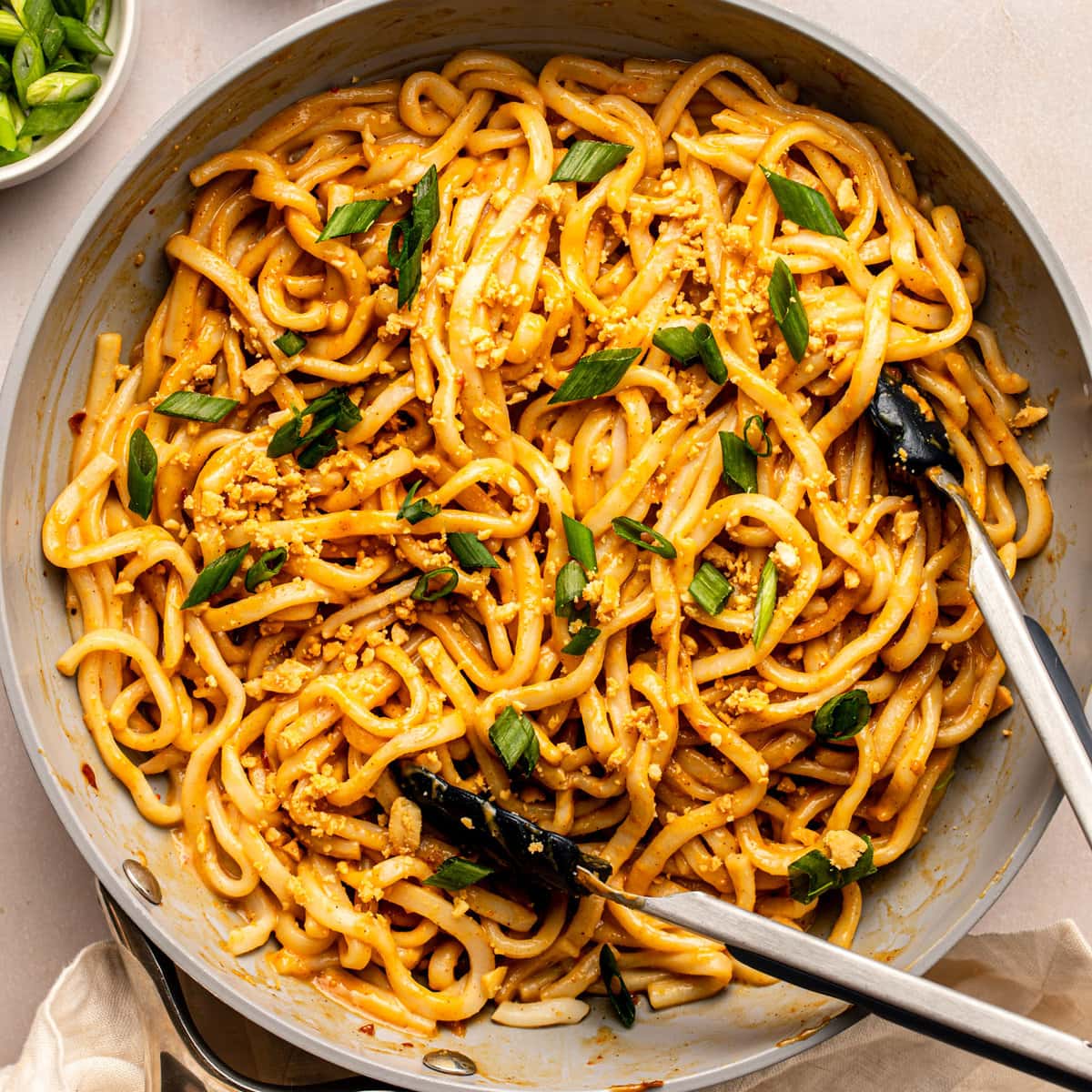
Beyond Basic: Customize Easy Peanut Noodles for Any Diet
Tired of takeout but craving something incredibly satisfying and lightning-fast? Look no further than the humble yet spectacular peanut noodles. This isn't just a meal; it's a culinary canvas, a testament to how quick, adaptable, and utterly delicious homemade food can be. Forget intricate recipes and endless ingredient lists – with a few pantry staples and a dash of creativity, you can whip up a restaurant-quality bowl of customized peanut noodles in under 15 minutes. Whether you're vegan, gluten-free, nut-free, or just looking for a flexible weeknight dinner solution, this
creamy, savory & spicy peanut noodles recipe can be perfectly tailored to your plate.
The beauty of peanut noodles lies in their simplicity and the incredible depth of flavor they offer. Imagine tender noodles coated in a rich, velvety sauce, brightened with citrus and herbs, and spiced just to your liking. It’s a refreshing meal that evokes the vibrant street food scenes of Southeast Asia, reminiscent of a classic Vietnamese bún thịt nướng with its fresh herb finish, yet incredibly accessible to the home cook. Let's dive into how you can transform this basic dish into a personalized culinary masterpiece.
The Ultimate Peanut Sauce: Your Flavor Playground
At the heart of any great peanut noodle dish is, of course, the peanut sauce. But this isn't a rigid formula; it's a flexible framework designed for endless customization. Understanding each component allows you to adapt the sauce to your specific dietary needs and taste preferences.
The Nut Butter Base: Beyond Peanuts
While classic "peanut noodles" inherently suggest peanut butter, this is your first opportunity for customization.
- Peanut Butter: Opt for natural, unsweetened varieties for a purer flavor and less added sugar. Creamy or crunchy works – choose based on your desired texture.
- Almond Butter: A fantastic alternative that offers a slightly milder, sweeter nuttforward flavor.
- Sunflower Seed Butter: The perfect solution for those with nut allergies. It provides a similar creamy texture and earthy taste without the common allergens.
- Cashew Butter: For a richer, subtly sweet, and incredibly creamy sauce, cashew butter is an excellent choice.
Tip: Always taste your nut butter first. If it's salted, adjust the soy sauce accordingly.
Mastering the Umami & Salt
These ingredients provide the foundational savory depth and saltiness.
- Soy Sauce: The traditional choice, offering a balanced umami and salt profile.
- Tamari: For a gluten-free option that maintains the umami richness.
- Coconut Aminos: A soy-free and gluten-free alternative that's slightly sweeter and less salty than soy sauce, ideal for those with multiple sensitivities.
- Fish Sauce: If you're aiming for that authentic "Thai" tangy, savory depth, a dash of fish sauce is transformative. However, it should be omitted for vegan and vegetarian diets.
Balancing Sweetness & Tang
These elements cut through the richness of the nut butter and add complexity.
- Sweeteners: Brown sugar is common, but honey, maple syrup, or agave nectar work equally well to offset the spicy and salty notes. Adjust to your sweetness preference.
- Acidity: Seasoned rice vinegar provides a mellow tang and flavor. Freshly squeezed lime juice is a vibrant alternative, offering a brighter, zestier finish. A combination of both can be particularly dynamic.
Bringing the Heat
Spice is crucial for many, but easily adjustable.
- Sriracha: A go-to for its garlic-chili punch. Start with a little and add more to taste.
- Chili Crisp: This adds not only heat but also an incredible crunchy texture and aromatic depth from garlic and fried chilies. It’s a game-changer!
- Red Pepper Flakes or Chili-Garlic Sauce: Simple alternatives if sriracha or chili crisp aren't available.
The Aromatic Finish
Don't skip this for a complete flavor profile.
- Sesame Oil: A small drizzle of toasted sesame oil adds a subtle, nutty aroma that perfectly complements the nut butter.
- Garlic: Fresh minced garlic or garlic powder adds a foundational savory note.
When preparing your sauce, ensure all ingredients are well combined and emulsified. A whisk or even a quick blitz in a blender can help achieve that silky-smooth consistency.
Noodle Know-How: Choosing Your Perfect Canvas
The choice of noodle can drastically alter the texture and character of your dish.
- Whole Grain Spaghetti: A convenient and nutritious pantry staple, offering a satisfying chew. It’s a great option for everyday meals.
- Rice Noodles: For an authentic, lighter, and naturally gluten-free option, rice vermicelli or wider flat rice noodles are excellent. They cook quickly and absorb the sauce beautifully.
- Udon Noodles: Thick and chewy, udon noodles provide a hearty base that stands up well to robust sauces.
- Ramen Noodles: Quick-cooking and readily available, ramen noodles (without the seasoning packet) are a fantastic choice for speed.
No matter your choice, follow package directions for cooking, but always aim for al dente. Overcooked noodles can become mushy and lose their appeal. A quick rinse with cold water after draining can help prevent sticking and stop the cooking process for a refreshing cold noodle dish.
Elevate Your Bowl: Proteins, Veggies, & Fresh Finishes
This is where your peanut noodles transform from a simple side into a complete, balanced, and visually stunning meal.
Protein Power-Ups
To make your
easy peanut noodles a satisfying main course, add a protein.
- Gooey Fried Egg: A fried or soft-boiled egg with a runny yolk adds richness and protein – a classic pairing with Thai peanut noodles.
- Rotisserie Chicken: For ultimate convenience, shredded rotisserie chicken can be tossed in directly.
- Tofu or Tempeh: Pan-fried, baked, or air-fried tofu/tempeh provides a plant-based protein with a delightful texture. Marinating it briefly in a little soy sauce before cooking adds extra flavor.
- Chickpeas: Roasted or simply tossed in, chickpeas add a hearty, fiber-rich protein for vegan and vegetarian diets.
- Shrimp or Beef: Quickly stir-fried shrimp or thinly sliced beef can also be added for a more substantial meal.
Vibrant Veggies
Add color, crunch, and essential nutrients.
- Sautéed Vegetables: Broccoli florets, bell peppers, shredded carrots, mushrooms, or snap peas can be quickly stir-fried and mixed in.
- Fresh Vegetables: Thinly sliced cucumbers, shredded carrots, bean sprouts, and sliced radishes add a refreshing crunch, especially to cold peanut noodles.
The Art of Garnishing
Garnishes aren't just for show; they add crucial layers of flavor and texture.
- Fresh Herbs: Cilantro and mint are indispensable for a bright, fresh finish, evoking the lightness of Vietnamese noodle bowls. Green onions add a mild oniony bite.
- Roasted Nuts or Seeds: A sprinkle of chopped roasted peanuts, almonds, cashews, or sunflower seeds (matching your butter base if preferred) adds a satisfying crunch.
- Lime Wedges: A final squeeze of fresh lime juice right before eating brightens every bite.
- Chili Crisp Drizzle: For those who love extra heat and texture, a final swirl of chili crisp on top is divine.
Beyond Basics: Dietary Adaptations for Every Lifestyle
The beauty of this peanut noodles recipe is its inherent adaptability.
- Vegan/Vegetarian: Easily achieved by omitting fish sauce (if using) and any meat/egg proteins. Load up on tofu, tempeh, chickpeas, and plenty of vegetables.
- Gluten-Free: Swap soy sauce for tamari or coconut aminos, and ensure you're using gluten-free noodles like rice noodles or certified GF spaghetti.
- Nut-Free: The simplest swap here is using sunflower seed butter as your base and topping with toasted sunflower seeds.
- Lower Sugar: Use natural, unsweetened nut butters and reduce or omit added sweeteners. The inherent sweetness of ingredients like coconut aminos or a touch of honey can often suffice.
- Low-Carb: While noodles are central, you can opt for zucchini noodles or spaghetti squash for a low-carb base, though the texture will be different.
These adjustments ensure that everyone, regardless of dietary restrictions or preferences, can enjoy a delicious and satisfying bowl of peanut noodles.
In essence, customizing your easy peanut noodles is all about understanding the components and not being afraid to experiment. From the creamy base to the fiery kick and the fresh herbaceous finish, every element is an opportunity to make the dish uniquely yours. So next time you're contemplating takeout, remember that a more delicious, healthier, and fully customized meal is just minutes away in your own kitchen. Grab your ingredients, get creative, and enjoy the endless possibilities of your homemade peanut noodles recipe!